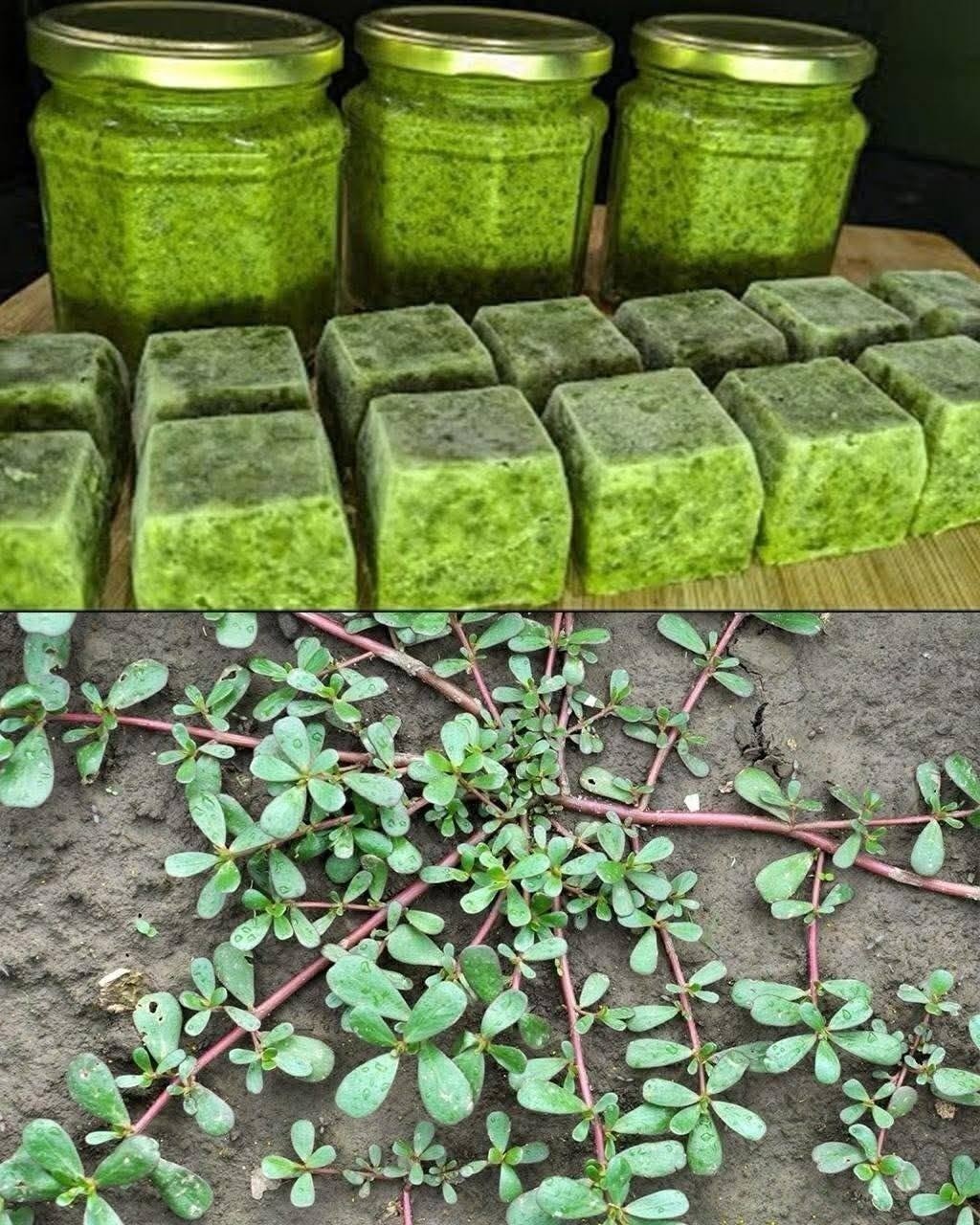
✅ What Happens When You Eat Purslane Daily (Especially After 60)
1. 🧠 Boosts Omega-3 Intake (Rare in Plants!)
Why it matters: Purslane is the **richest plant source of alpha-linolenic acid **(ALA)—a plant-based omega-3 fatty acid crucial for brain and heart health.
After 60:
- Supports cognitive function and may help slow age-related memory decline
- Reduces inflammation linked to arthritis and joint stiffness
- Helps maintain healthy cholesterol and triglyceride levels
💡 Bonus: Purslane also contains small amounts of EPA, an omega-3 usually found only in fatty fish. This is extremely rare in the plant kingdom.
2. ❤️ Supports Heart Health & Healthy Blood Pressure
Rich in: Magnesium, potassium, and dietary nitrates—all of which help relax blood vessels and support healthy circulation.
Antioxidants like betalains and glutathione reduce oxidative stress in arteries, protecting against damage that contributes to atherosclerosis.
After 60:
- May help lower risk of hypertension (high blood pressure)
- Supports vascular elasticity, which naturally declines with age
- Complements heart-healthy diets like Mediterranean or DASH
3. 🩸 Promotes Healthy Blood Sugar Control
High in soluble fiber and bioactive compounds that improve insulin sensitivity.
Research insight: Studies (including a 2019 review in Journal of Ethnopharmacology) suggest purslane extract may help lower fasting blood glucose and improve post-meal sugar responses.
After 60:
- Supports metabolic health as insulin sensitivity naturally declines
- Gentle on digestion—won’t spike blood sugar like refined carbs
- May complement management of prediabetes or type 2 diabetes (always consult your doctor first)
4. 👁️ Protects Vision & Brain Health
Purslane is rich in:
- Lutein and zeaxanthin: Carotenoids that accumulate in the retina and help filter harmful blue light
- Vitamin A: Essential for night vision and eye surface health
- Antioxidants: Combat oxidative stress linked to macular degeneration and cognitive decline
After 60:
- May help reduce risk of age-related macular degeneration (AMD)
- Supports neural protection and cognitive resilience
- Contributes to overall cellular defense against aging
5. 🦴 Strengthens Bones & Joints
Contains: Calcium, magnesium, and vitamin K—all critical for bone density and joint health.
After 60:
- Helps counteract age-related bone loss (osteopenia/osteoporosis)
- Magnesium supports muscle function and reduces cramping
- Anti-inflammatory compounds may ease arthritis discomfort
6. 🦠 Supports Gut Health & Digestion
High in mucilage (a soothing, gel-like fiber) and prebiotic compounds that feed beneficial gut bacteria.
After 60:
- Promotes regularity without harsh laxatives
- Supports a diverse microbiome, linked to immunity and mood
- Gentle on sensitive digestive systems
7. ✨ Enhances Skin Health & Wound Healing
Rich in vitamins A, C, and E, plus antioxidants that combat free radicals from sun exposure and environmental stress.
After 60:
- Supports collagen production for skin elasticity
- May accelerate minor wound healing
- Helps protect against UV-induced skin damage (though not a substitute for sunscreen!)
🥗 How to Add Purslane to Your Daily Routine
Purslane is incredibly versatile. Here’s how to enjoy it:
🥬 Raw (Best for preserving nutrients)
- Toss young leaves and stems into salads
- Blend into green smoothies (mild flavor pairs well with citrus)
- Use as a garnish for soups, grain bowls, or avocado toast
🍳 Cooked (Softens texture, concentrates flavor)
- Sauté with garlic and olive oil as a side dish
- Add to soups, stews, or omelets in the last few minutes of cooking
- Stir into rice or quinoa pilafs
🥒 Preserved
- Pickle purslane stems for a tangy condiment
- Freeze chopped purslane in ice cube trays with water or broth for easy addition to future meals
💡 Pro Tips:
- Harvest young: Tender leaves and stems have the best texture and mildest flavor.
- Rinse well: Purslane grows close to the ground; wash thoroughly to remove soil.
- Start small: Begin with ¼–½ cup daily to assess tolerance, then increase as desired.
- Pair with healthy fats: Omega-3s in purslane are better absorbed when eaten with olive oil, avocado, or nuts.
⚠️ Safety Considerations (Especially After 60)
While purslane is generally safe and nutritious, a few precautions are wise:
|
Consideration
|
Guidance
|
|---|---|
|
Oxalates
|
Purslane contains moderate oxalates. If you have a history of kidney stones, consume in moderation and stay well-hydrated.
|
|
Medication Interactions
|
High potassium content may interact with certain blood pressure or diuretic medications. Consult your doctor if you’re on potassium-sparing drugs.
|
|
Pesticide Exposure
|
If foraging, avoid areas treated with herbicides or near busy roads. When buying, choose organic when possible.
|
|
Allergies
|
Rare, but discontinue use if you experience itching, swelling, or digestive upset.
|
|
Pregnancy
|
Traditional use includes caution during pregnancy; consult your provider if applicable.
|
🩺 Always consult your healthcare provider before making significant dietary changes, especially if you have chronic health conditions or take medications.
🌱 Where to Find Purslane
- Your garden: Often grows voluntarily—learn to identify it (succulent leaves, red-tinged stems, yellow flowers).
- Farmers markets: Increasingly sold as a specialty green.
- Ethnic grocery stores: Common in Middle Eastern, Asian, and Latin American markets.
- Online: Seeds or live plants available from specialty herb suppliers.
- Foraging: Learn proper identification from a local expert or reputable guide to avoid look-alikes.
📊 Nutritional Snapshot: Purslane (1 cup raw, ~45g)
|
Nutrient
|
Amount
|
% Daily Value*
|
|---|---|---|
|
Calories
|
9
|
—
|
|
Protein
|
1g
|
2%
|
|
**Omega-3 **(ALA)
|
~300mg
|
—
|
|
Vitamin A
|
1,320 IU
|
26%
|
|
Vitamin C
|
12mg
|
20%
|
|
Vitamin E
|
1.2mg
|
8%
|
|
Magnesium
|
32mg
|
8%
|
|
Potassium
|
190mg
|
5%
|
|
Calcium
|
30mg
|
3%
|
|
Iron
|
0.7mg
|
4%
|
|
Fiber
|
0.9g
|
4%
|
*Percent Daily Values are based on a 2,000-calorie diet. Values are approximate and may vary.
🧭 The Bottom Line
Purslane isn’t just a weed—it’s a nutritional powerhouse uniquely suited to support healthy aging. For adults over 60, adding this humble green to your daily routine may help:
✅ Support brain and heart health with rare plant-based omega-3s
✅ Promote healthy blood pressure and blood sugar levels
✅ Protect vision, bones, and skin with targeted antioxidants
✅ Nurture gut health with gentle, prebiotic fiber
✅ Promote healthy blood pressure and blood sugar levels
✅ Protect vision, bones, and skin with targeted antioxidants
✅ Nurture gut health with gentle, prebiotic fiber
Best of all, it’s easy to grow, affordable, and delicious. Whether tossed raw into a salad, sautéed with garlic, or blended into a morning smoothie, purslane offers a simple, delicious way to invest in your long-term vitality.
So, the next time you spot that “weed” in your garden, don’t pull it—pick it. Your body (and your taste buds) will thank you.
Have you ever tried purslane? How do you like to prepare it? Share your favorite recipes in the comments below! 🌿✨