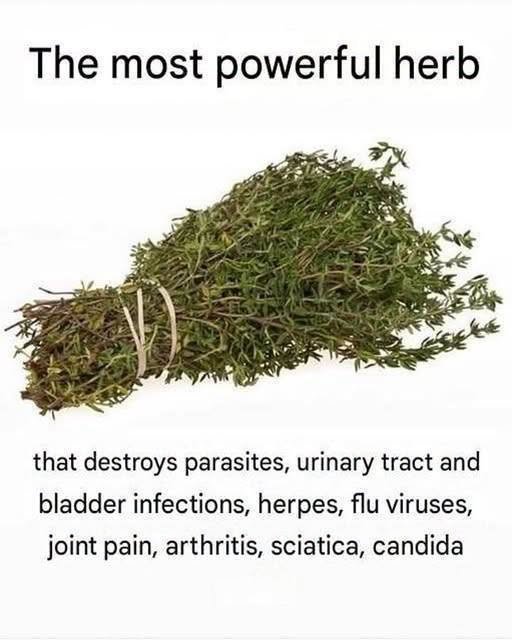
How Oregano Oil May Help:
|
Mechanism
|
What It Means
|
|---|---|
|
Disrupts parasite cell membranes
|
Carvacrol penetrates and destabilizes the protective layers of parasites like Giardia and Blastocystis
|
|
Inhibits parasite reproduction
|
Lab studies show oregano oil can reduce parasite viability and replication
|
|
Supports gut barrier integrity
|
May help restore healthy gut flora after parasite clearance
|
|
Reduces inflammation
|
Helps calm intestinal irritation caused by parasitic infection
|
Research Highlights:
✅ A 2018 study in Experimental and Therapeutic Medicine found oregano oil effective against Giardia lamblia in vitro
✅ Research in Journal of Medicinal Food showed oregano oil inhibited growth of multiple intestinal parasites
✅ Traditional use across cultures supports its role in parasite cleansing protocols
✅ Research in Journal of Medicinal Food showed oregano oil inhibited growth of multiple intestinal parasites
✅ Traditional use across cultures supports its role in parasite cleansing protocols
How to Use for Parasite Support:
⚠️ Important: Oregano oil is potent. Never use undiluted. Always consult a qualified healthcare provider before starting any antiparasitic protocol.
|
Method
|
Instructions
|
Duration
|
|---|---|---|
|
**Oral **(diluted)
|
1–2 drops oregano oil in 1 tbsp carrier oil (olive, coconut) or water; take with food
|
7–10 days, then break
|
|
Enteric-coated capsules
|
Follow product label; designed to release in intestines, not stomach
|
As directed by practitioner
|
|
Combined protocols
|
Often paired with black walnut, wormwood, or clove in traditional parasite formulas
|
Under professional guidance
|
🌿 Pro tip: Support your protocol with probiotics, fiber-rich foods, and hydration to help your gut recover after parasite clearance.
💧 2. Supports Urinary Tract and Bladder Health
Urinary tract infections (UTIs) affect millions each year, particularly women. While antibiotics are often necessary for acute infections, many people seek complementary approaches for prevention and support.
How Oregano Oil May Help:
|
Action
|
Benefit
|
|---|---|
|
Antibacterial activity
|
Carvacrol disrupts cell walls of common UTI pathogens like E. coli
|
|
Biofilm disruption
|
May help break down protective bacterial layers that resist treatment
|
|
Anti-inflammatory effects
|
Helps soothe irritated urinary tract tissues
|
|
Immune modulation
|
Supports the body’s natural defense responses
|
Research Highlights:
✅ A 2020 study in Frontiers in Microbiology showed oregano oil inhibited E. coli strains, including antibiotic-resistant varieties
✅ Lab research indicates oregano oil may enhance the effectiveness of certain antibiotics when used together
✅ Traditional herbalism has long used oregano for urinary and respiratory infections
✅ Lab research indicates oregano oil may enhance the effectiveness of certain antibiotics when used together
✅ Traditional herbalism has long used oregano for urinary and respiratory infections
How to Use for Urinary Support:
✅ Prevention focus: Oregano oil is best used as part of a holistic prevention strategy—not as a sole treatment for active infections.
|
Approach
|
Instructions
|
|---|---|
|
Diluted oral use
|
1 drop oregano oil in water or carrier oil, 1–2x daily during high-risk periods
|
|
Combined with cranberry
|
Pair with unsweetened cranberry extract (proanthocyanidins prevent bacterial adhesion)
|
|
Hydration support
|
Drink plenty of water to flush the urinary tract
|
|
Probiotic support
|
Include Lactobacillus strains to support healthy urinary and vaginal flora
|
⚠️ Critical note: If you have symptoms of a UTI (burning, urgency, fever, back pain), seek medical care promptly. Untreated UTIs can lead to kidney infections. Oregano oil may complement—but not replace—professional treatment.
🦠 3. Antiviral Support: Herpes and Beyond
Viral infections present unique challenges because viruses replicate inside human cells. While oregano oil cannot “cure” viral conditions, research suggests it may help reduce severity and frequency of outbreaks.
How Oregano Oil May Support Viral Health:
|
Mechanism
|
Potential Benefit
|
|---|---|
|
Direct antiviral activity
|
Carvacrol may interfere with viral entry and replication in lab studies
|
|
Immune system modulation
|
Supports balanced immune responses without overstimulation
|
|
Topical soothing
|
Diluted oil may help reduce discomfort of cold sores when applied early
|
|
Antioxidant protection
|
Helps protect cells from oxidative stress during infection
|
Research Highlights:
✅ A 2011 study in Journal of Applied Microbiology found oregano oil inactivated herpes simplex virus (HSV-1) in vitro
✅ Research in Phytomedicine showed oregano extracts reduced viral load in cell studies
✅ Traditional use includes oregano for respiratory viral support and topical wound care
✅ Research in Phytomedicine showed oregano extracts reduced viral load in cell studies
✅ Traditional use includes oregano for respiratory viral support and topical wound care
How to Use for Viral Support:
|
Application
|
Instructions
|
|---|---|
|
**Topical **(cold sores)
|
Dilute 1 drop oregano oil in 1 tsp carrier oil; apply with cotton swab at first tingle; avoid eyes/mucous membranes
|
|
Oral support
|
1–2 drops diluted in water or carrier oil, 1–2x daily during outbreak or high-stress periods
|
|
Preventive protocol
|
Short-term use during seasonal viral exposure; not for daily long-term use
|
🧴 Safety reminder: Never apply undiluted essential oils to skin. Always patch-test first. Discontinue if irritation occurs.
⚠️ Safety First: Important Considerations Before Using Oregano Oil
Oregano oil is powerful—and with power comes responsibility. Used correctly, it can be a valuable tool. Used incorrectly, it can cause harm.
Who Should Use Caution or Avoid Oregano Oil:
|
Group
|
Reason
|
Recommendation
|
|---|---|---|
|
Pregnant or breastfeeding individuals
|
Limited safety data; potential uterine stimulation
|
Avoid therapeutic doses; culinary oregano is generally safe
|
|
Young children
|
Higher sensitivity to potent compounds
|
Not recommended under age 6 without professional guidance
|
|
People on blood thinners
|
Oregano may have mild anticoagulant effects
|
Consult provider; monitor for bleeding risk
|
|
Those with GERD or ulcers
|
Oil may irritate sensitive digestive tissues
|
Use enteric-coated forms or avoid oral use
|
|
People with allergies to Lamiaceae plants
|
Oregano is in the mint family (basil, mint, sage)
|
Avoid if allergic; patch-test topically
|
|
Those taking medications
|
Potential interactions with liver-metabolized drugs
|
Consult pharmacist or provider before use
|
General Safety Guidelines:
✅ Always dilute: Never use undiluted oregano oil internally or topically
✅ Start low: Begin with 1 drop diluted; increase only if well-tolerated
✅ Limit duration: Use for 7–14 days, then take a break to avoid disrupting beneficial flora
✅ Choose quality: Select oils tested for purity, with clear carvacrol content (60–80%)
✅ Store properly: Keep in dark glass, away from heat and light to preserve potency
✅ Start low: Begin with 1 drop diluted; increase only if well-tolerated
✅ Limit duration: Use for 7–14 days, then take a break to avoid disrupting beneficial flora
✅ Choose quality: Select oils tested for purity, with clear carvacrol content (60–80%)
✅ Store properly: Keep in dark glass, away from heat and light to preserve potency
🩺 When to seek medical care: Oregano oil is a complementary support—not a replacement for diagnosis or treatment of serious infections. If you have fever, severe pain, persistent symptoms, or signs of systemic infection, consult a healthcare provider immediately.
🛒 How to Choose a High-Quality Oregano Oil
Not all oregano oils are created equal. Quality matters immensely for both safety and effectiveness.
What to Look For:
|
Feature
|
Why It Matters
|
|---|---|
|
Botanical name listed
|
Should say Origanum vulgare (not marjoram or other species)
|
|
Carvacrol content
|
Ideal range: 60–80%; indicates potency and authenticity
|
|
Third-party testing
|
Look for GC/MS reports confirming purity and composition
|
|
Dark glass bottle
|
Protects oil from light degradation
|
|
Organic certification
|
Reduces risk of pesticide residues
|
|
Reputable brand
|
Choose companies with transparent sourcing and quality control
|
What to Avoid:
❌ Oils labeled only as “oregano” without botanical name
❌ Products with fillers, synthetic fragrances, or undisclosed ingredients
❌ Extremely cheap oils (high-quality distillation is costly)
❌ Plastic containers (essential oils can degrade plastic and leach chemicals)
❌ Products with fillers, synthetic fragrances, or undisclosed ingredients
❌ Extremely cheap oils (high-quality distillation is costly)
❌ Plastic containers (essential oils can degrade plastic and leach chemicals)
💡 Pro tip: Store oregano oil in a cool, dark place. A single bottle can last 1–2 years if stored properly.
🔄 How to Integrate Oregano Oil Into a Holistic Wellness Routine
Oregano oil works best as part of a broader approach to health—not as a standalone “magic bullet.”
Supportive Practices to Pair With Oregano Oil:
|
Practice
|
Why It Enhances Results
|
|---|---|
|
Balanced, whole-food diet
|
Provides nutrients your immune system needs to function optimally
|
|
Adequate hydration
|
Supports detoxification pathways and urinary tract health
|
|
Quality sleep
|
Critical for immune regulation and tissue repair
|
|
Stress management
|
Chronic stress weakens immunity; mindfulness supports resilience
|
|
Probiotic support
|
Helps maintain healthy gut flora during and after antimicrobial use
|
|
Regular movement
|
Supports circulation, lymphatic flow, and overall vitality
|
Sample Weekly Integration (for general immune support):
|
Day
|
Practice
|
|---|---|
|
Mon, Wed, Fri
|
1 drop oregano oil diluted in water with breakfast
|
|
Daily
|
Probiotic food (kefir, sauerkraut) or supplement
|
|
Daily
|
8+ glasses of water; limit sugar and processed foods
|
|
As needed
|
Topical diluted oil for minor skin concerns (patch-test first)
|
|
Weekly
|
Rest days from oregano oil to support microbial balance
|
🌱 Mindset reminder: Wellness is a practice, not a perfection. Small, consistent choices create lasting change.
❓ Frequently Asked Questions
Q: Can oregano oil replace antibiotics?
A: No. While oregano oil has antimicrobial properties, it is not a substitute for prescribed antibiotics in serious bacterial infections. It may complement treatment under professional guidance.
A: No. While oregano oil has antimicrobial properties, it is not a substitute for prescribed antibiotics in serious bacterial infections. It may complement treatment under professional guidance.
Q: How long does it take to see results?
A: Effects vary by concern and individual. Some notice digestive changes in days; immune or viral support may take 1–2 weeks of consistent use.
A: Effects vary by concern and individual. Some notice digestive changes in days; immune or viral support may take 1–2 weeks of consistent use.
Q: Can I use oregano oil daily long-term?
A: Not recommended. Long-term daily use may disrupt beneficial gut bacteria. Use in cycles (e.g., 10 days on, 20 days off) or as needed.
A: Not recommended. Long-term daily use may disrupt beneficial gut bacteria. Use in cycles (e.g., 10 days on, 20 days off) or as needed.
Q: Is oregano oil safe for pets?
A: Essential oils can be toxic to pets, especially cats. Never use oregano oil on or around pets without veterinary guidance.
A: Essential oils can be toxic to pets, especially cats. Never use oregano oil on or around pets without veterinary guidance.
Q: Can I cook with oregano oil?
A: No. Culinary oregano (dried herb) is safe for cooking. Essential oil is highly concentrated and not intended for culinary use.
A: No. Culinary oregano (dried herb) is safe for cooking. Essential oil is highly concentrated and not intended for culinary use.
Q: What’s the difference between oregano oil and oregano extract?
A: Essential oil is steam-distilled and highly concentrated. Extracts may be alcohol- or glycerin-based and less potent. Check labels carefully.
A: Essential oil is steam-distilled and highly concentrated. Extracts may be alcohol- or glycerin-based and less potent. Check labels carefully.
Q: Can oregano oil help with SIBO or candida?
A: Some practitioners include oregano oil in protocols for small intestinal bacterial overgrowth (SIBO) or fungal imbalances. Always work with a qualified provider for these complex conditions.
A: Some practitioners include oregano oil in protocols for small intestinal bacterial overgrowth (SIBO) or fungal imbalances. Always work with a qualified provider for these complex conditions.
Q: Why does oregano oil taste so strong?
A: Carvacrol and thymol are potent phenolic compounds. The intense flavor reflects its biological activity. Always dilute to avoid mucosal irritation.
A: Carvacrol and thymol are potent phenolic compounds. The intense flavor reflects its biological activity. Always dilute to avoid mucosal irritation.
💙 A Compassionate Closing Thought
If you’re exploring oregano oil because you’re seeking natural support for your health—or because you’re tired of feeling stuck in cycles of infection—please know:
🌿 Your desire for wellness is valid. Seeking gentle, plant-based support is a form of self-care, not a rejection of modern medicine.
🌿 Healing is a partnership. Natural remedies work best alongside professional care, not in isolation. You deserve both.
🌿 Progress isn’t linear. Some days you’ll feel stronger; other days, you’ll need rest. Both are part of the journey.
🌿 You are the expert on your body. Listen to its signals. Adjust as needed. Honor your pace.
🌿 Healing is a partnership. Natural remedies work best alongside professional care, not in isolation. You deserve both.
🌿 Progress isn’t linear. Some days you’ll feel stronger; other days, you’ll need rest. Both are part of the journey.
🌿 You are the expert on your body. Listen to its signals. Adjust as needed. Honor your pace.
Oregano oil is a remarkable herb with centuries of traditional use and growing scientific support. But it’s not a magic solution. It’s a tool—one of many—in your wellness toolkit.
However you choose to use it, may you do so with knowledge, caution, and compassion—for your body, your journey, and your unique path toward vitality.
🧭 The Bottom Line
Oregano oil is a potent botanical with antimicrobial, antiparasitic, and antiviral properties supported by traditional use and emerging research.
Remember: 🌿 Carvacrol and thymol give oregano oil its powerful biological activity
🪱 May support parasite clearance, urinary health, and viral symptom management
⚠️ Always dilute; never use undiluted; consult a provider before therapeutic use
🩺 Not a replacement for medical diagnosis or treatment of serious infections
💙 Works best as part of a holistic approach: nutrition, sleep, stress care, and professional guidance
🪱 May support parasite clearance, urinary health, and viral symptom management
⚠️ Always dilute; never use undiluted; consult a provider before therapeutic use
🩺 Not a replacement for medical diagnosis or treatment of serious infections
💙 Works best as part of a holistic approach: nutrition, sleep, stress care, and professional guidance
Nature offers powerful allies for health. Oregano is one of them. Used wisely, respectfully, and in partnership with your healthcare team, it can be a valuable part of your journey toward vibrant wellness.
Have you used oregano oil for health support? What has your experience been? Share your insights and questions respectfully in the comments below. 🌿