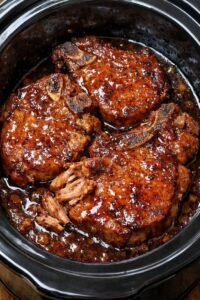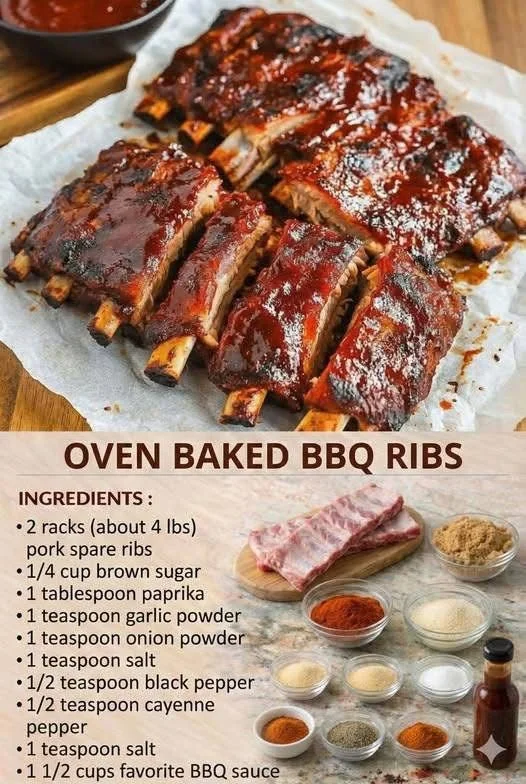
Achieving truly “fall-off-the-bone” tenderness is the hallmark of great oven-baked ribs, and it all boils down to the “low and slow” cooking method. The extended baking time at a lower temperature allows the connective tissues in the ribs to break down gradually, resulting in incredibly tender meat that practically slides off the bone. Rushing the process or cooking at too high a temperature will lead to tough, dry ribs. The initial foil wrapping is also crucial as it steams the ribs, locking in moisture and further enhancing their tenderness.
For flavor customization, feel free to adjust the spice levels in the dry rub to suit your preference. If you love heat, increase the cayenne pepper or add a pinch of chili powder. For a smokier flavor without a smoker, a teaspoon of smoked paprika can be added to the rub. Experiment with different brands and styles of BBQ sauce – from tangy Carolina-style to sweet and smoky Kansas City-style – to find your perfect match. You can even make your own homemade BBQ sauce for an extra personal touch. Consider adding a tablespoon of mustard powder or a teaspoon of celery salt to the rub for an additional layer of complexity.
Classic serving suggestions for these delicious BBQ ribs include creamy coleslaw, buttery corn on the cob, a hearty potato salad, or fluffy cornbread. For a fresher side, a simple green salad with a vinaigrette dressing can cut through the richness of the ribs. Roasted sweet potatoes or baked beans also make excellent accompaniments. Don’t forget plenty of napkins – these ribs are deliciously messy!
Want to turn this into a spicier dish? Add a tablespoon of red pepper flakes to the rub, or mix some hot sauce into your BBQ sauce before basting. For a different flavor profile, consider adding a tablespoon of dried oregano or thyme to the rub. You can also experiment with different types of ribs, though cooking times may vary slightly. Baby back ribs, for example, are leaner and cook a bit faster than spare ribs. For an extra layer of flavor, try marinating the ribs in apple cider vinegar or a bit of beer for a few hours before applying the dry rub.
To deepen the flavor even further, some home cooks like to add a splash of apple cider vinegar or apple juice to the foil packet before sealing and baking. This adds a subtle tang and helps keep the ribs extra moist. The key is to not add too much liquid, as you want to steam, not boil, the ribs. A quarter cup is usually sufficient per rack. Another trick for a truly incredible crust is to remove the ribs from the oven, unwrap them, and let them cool uncovered for about 15-20 minutes after the initial low-and-slow bake but before applying the BBQ sauce. This allows the surface to dry out slightly, which helps the sauce caramelize better and develop a more pronounced bark when baked at the higher temperature.
If you’re short on time, you can cut the full racks of ribs into 2-3 bone portions before applying the rub and baking. This can slightly reduce the overall cooking time, though the low-and-slow method is still essential for tenderness. Just ensure each portion is still tightly wrapped in foil. For a smoky flavor without a grill, you can add a few drops of liquid smoke to your BBQ sauce or to the foil packet with a tablespoon of water before baking. Use sparingly, as liquid smoke can be potent.
Consider the type of brown sugar you use. Light brown sugar provides a milder sweetness, while dark brown sugar will impart a deeper, more molasses-like flavor to the rub. Both work wonderfully, so choose based on your preference. When applying the rub, don’t forget the sides of the ribs! Every surface should be coated for maximum flavor. If you find your ribs are developing too much color too quickly during the final sauce caramelization step, you can loosely tent them with foil to prevent burning while still allowing the sauce to set.
Storage and Reheating
Proper storage is key to enjoying your delicious leftover Oven Baked BBQ Ribs. Once the ribs have cooled completely to room temperature (within two hours of cooking), transfer them to an airtight container. You can store them as whole racks or individual portions. Place a piece of parchment paper between layers if stacking to prevent them from sticking together. Stored this way, the ribs will remain fresh in the refrigerator for 3-4 days. For longer storage, you can freeze cooked ribs. Wrap individual portions or whole racks tightly in plastic wrap, then an additional layer of aluminum foil, or place them in freezer-safe bags. Frozen ribs will maintain their quality for up to 2-3 months.
When it comes to reheating, you want to preserve that tender, juicy texture without drying out the meat. The oven is generally the best method for reheating ribs. If reheating from the refrigerator, preheat your oven to 250°F (120°C). Place the ribs in an oven-safe dish, adding a tablespoon or two of water or apple juice to the bottom of the dish to create some steam. Cover the dish tightly with aluminum foil. Reheat for 20-30 minutes, or until warmed through. If the ribs seem a bit dry, you can brush them with a little extra BBQ sauce during the last 5-10 minutes of reheating.
For reheating from frozen, it’s best to thaw the ribs in the refrigerator overnight before reheating, then follow the same instructions as for refrigerated ribs. If you’re in a hurry, you can reheat frozen ribs directly in the oven, but it will take longer – approximately 45-60 minutes at 250°F (120°C), still covered with foil and with a little liquid. The microwave can be used for individual portions if you’re in a pinch, but be aware that it can sometimes make the meat tougher. If using the microwave, heat in short intervals (30-60 seconds) until warmed through, flipping occasionally.
To retain moisture and flavor, avoid high-heat reheating methods that can dry out the ribs. The goal is to gently bring them back to temperature. If you have a grill available, you can also reheat ribs by wrapping them in foil and placing them on indirect heat for about 15-20 minutes, or until warm. You can then finish them directly over low heat for a few minutes to crisp up any remaining sauce, adding more BBQ sauce if desired.
Frequently Asked Questions
What kind of ribs are best for oven baking?
Pork spare ribs are excellent for oven baking because their higher fat content makes them incredibly flavorful and less prone to drying out during the long, slow cooking process. While baby back ribs can also be oven-baked, spare ribs typically offer a meatier bite and a richer taste due to their marbling and bone structure. St. Louis style ribs are spare ribs that have been trimmed to a more uniform, rectangular shape, making them cook evenly and easier to slice, and they are also a fantastic choice for this recipe.
Do I really need to remove the membrane from the ribs?
Yes, absolutely! Removing the membrane, also known as the silverskin, from the bone side of the ribs is a crucial step for achieving truly tender, fall-off-the-bone results. The membrane is tough, fibrous, and doesn’t break down during cooking, leaving a chewy, unpleasant texture. It also prevents the dry rub and BBQ sauce from fully penetrating the meat, hindering flavor development. While it might seem like an extra step, it makes a significant difference in the final eating experience and is well worth the effort.
Can I make these ribs ahead of time for a party?
Yes, these oven-baked ribs are an excellent make-ahead dish! You can cook the ribs through the initial low-and-slow baking phase, up until the point where you would apply the BBQ sauce. Let them cool completely, then refrigerate them tightly wrapped. On the day of your party, simply unwrap the ribs, apply the BBQ sauce, and finish them in the oven at 375°F (190°C) for 15-25 minutes, or until heated through and the sauce is caramelized. This allows you to do most of the heavy lifting in advance and simply finish them off just before serving, making entertaining much easier.
How do I know when the ribs are truly “fall-off-the-bone” tender?
The best way to gauge tenderness is by gently probing the meat between the bones with a fork or by trying to wiggle a bone. If the meat offers very little resistance and the bone feels loose or easily pulls away, your ribs are likely ready. Another visual cue is when the meat has pulled back from the ends of the bones by about a quarter to half an inch. Avoid overcooking to the point where the meat is mushy, but generally, with low and slow cooking, it’s harder to overcook them than to undercook them for that desired tenderness.