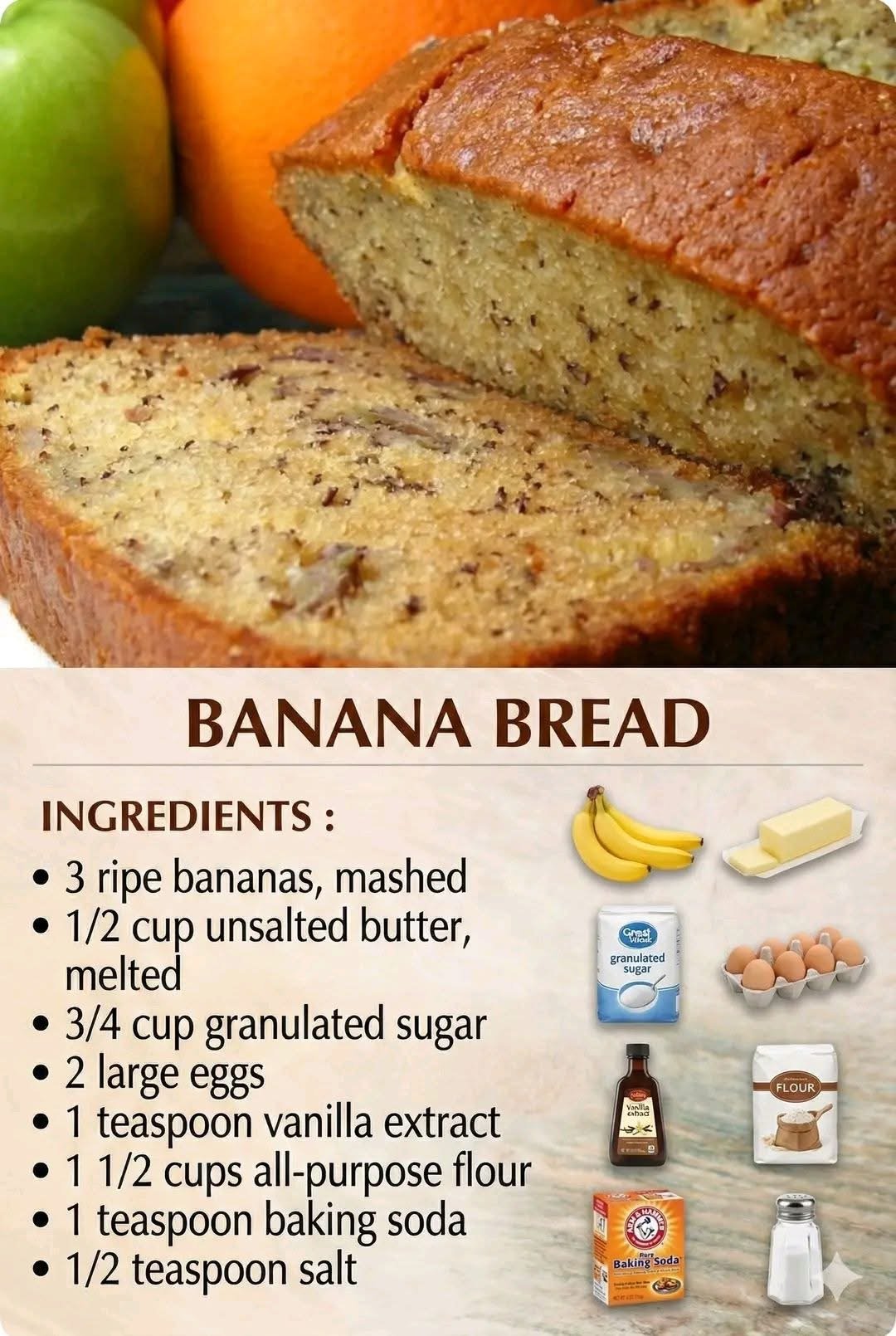
For ultimate moistness, the key is using very ripe bananas. Look for bananas with abundant brown spots, or even entirely black peels. These bananas are sweeter and have a softer texture, making them easier to mash and contributing more moisture and intense banana flavor to your bread. Don’t be afraid to let your bananas get extra ripe; it’s when they’re at their best for baking. Another crucial tip is to avoid overmixing the batter. Once you combine the wet and dry ingredients, mix only until just combined. Overmixing develops gluten, which can lead to a tougher, drier loaf. A few lumps are perfectly fine!
The addition of sour cream or full-fat yogurt is a secret weapon for moisture and tenderness. The acidity in these ingredients reacts with the baking soda, creating a lighter, more tender crumb. If you don’t have sour cream or yogurt, buttermilk can be used as a substitute. Using brown sugar in addition to granulated sugar also helps with moisture retention due to its molasses content, and adds a deeper, more caramel-like flavor that complements the banana beautifully. For an even richer crust, you can sprinkle a little granulated sugar on top of the batter before baking; it will create a slightly crisp, sparkling finish.
Customization is where banana bread truly shines! For a nutty crunch, toast your walnuts or pecans lightly before adding them to the batter; this enhances their flavor significantly. Chocolate chips, whether dark, semi-sweet, or white, are always a welcome addition. You can also experiment with spices beyond cinnamon, like a pinch of nutmeg, allspice, or cardamom for a more complex flavor profile. For a tropical twist, try adding shredded coconut. To make it a bit healthier, you can substitute some of the all-purpose flour with whole wheat pastry flour, or reduce the sugar slightly, especially if your bananas are exceptionally ripe.
To ensure even baking and prevent a sunken center, make sure your oven temperature is accurate. An oven thermometer can be a great tool for this. Avoid opening the oven door too frequently during baking, especially in the first 45 minutes, as this can cause temperature fluctuations that might make the bread collapse. If your banana bread tends to brown too quickly on top before the inside is cooked, tenting it loosely with aluminum foil for the last portion of baking can help. Always cool the bread completely on a wire rack before slicing; this allows the internal structure to set properly, preventing a gummy texture and making it easier to slice cleanly.
Storage and Reheating
To keep your moist banana bread fresh and delicious, proper storage is key. Once completely cooled, wrap the entire loaf tightly in plastic wrap or aluminum foil. You can also slice it and store the slices in an airtight container. Stored at room temperature, it will remain fresh and moist for 3-4 days. For longer storage, you can refrigerate it for up to a week, though the texture might become slightly firmer. Bringing it back to room temperature before serving will restore much of its original softness.
Banana bread freezes beautifully, making it an excellent candidate for meal prep or enjoying a homemade treat whenever a craving strikes. To freeze, ensure the loaf is completely cool. You can freeze it whole, sliced, or in individual portions. Wrap each piece or the whole loaf tightly in plastic wrap, then again in aluminum foil, or place in a freezer-safe bag or container. It will keep well in the freezer for up to 3 months. Thaw frozen banana bread at room temperature for several hours, or overnight in the refrigerator.
Reheating is simple and can revive the bread’s delightful warmth and aroma. For a whole loaf or larger slices, you can warm it in a preheated oven at 300°F (150°C) for about 10-15 minutes, or until heated through. For individual slices, a toaster oven or microwave works well. In the microwave, heat slices for 15-30 seconds, depending on your microwave’s power, until warm. Be careful not to overheat in the microwave, as this can dry it out. A warm slice of banana bread with a pat of butter is an absolute treat!
Frequently Asked Questions
What kind of bananas are best for banana bread?
The best bananas for banana bread are those that are very ripe, with peels that are heavily speckled brown or even black. These bananas are much sweeter and softer, making them easier to mash and contributing significantly more moisture and intense banana flavor to your bread. Avoid using firm, yellow bananas as they lack the necessary sweetness and moisture.
Can I make this recipe gluten-free?
Yes, you can adapt this recipe to be gluten-free. Substitute the all-purpose flour with an equal amount of a good quality 1:1 gluten-free baking flour blend that contains xanthan gum. The rest of the ingredients and instructions should remain the same. Keep in mind that baking times might vary slightly, so always rely on the toothpick test for doneness.
Why did my banana bread sink in the middle?
Banana bread can sink in the middle for several reasons. The most common causes are opening the oven door too early during baking, which causes a sudden drop in temperature; using too much leavening agent (baking soda); or not baking it long enough, meaning the center hasn’t fully set. Ensure your oven temperature is accurate, avoid peeking too often, and always bake until a toothpick inserted into the center comes out clean.
How can I prevent my banana bread from being dry?
To prevent dry banana bread, several factors are important. First, use very ripe bananas for maximum moisture. Second, do not overmix the batter; mix only until the ingredients are just combined to avoid developing too much gluten. Third, ensure you’re not overbaking the bread; remove it from the oven as soon as the toothpick test indicates it’s done. Ingredients like sour cream or yogurt also contribute significantly to a moist crumb.