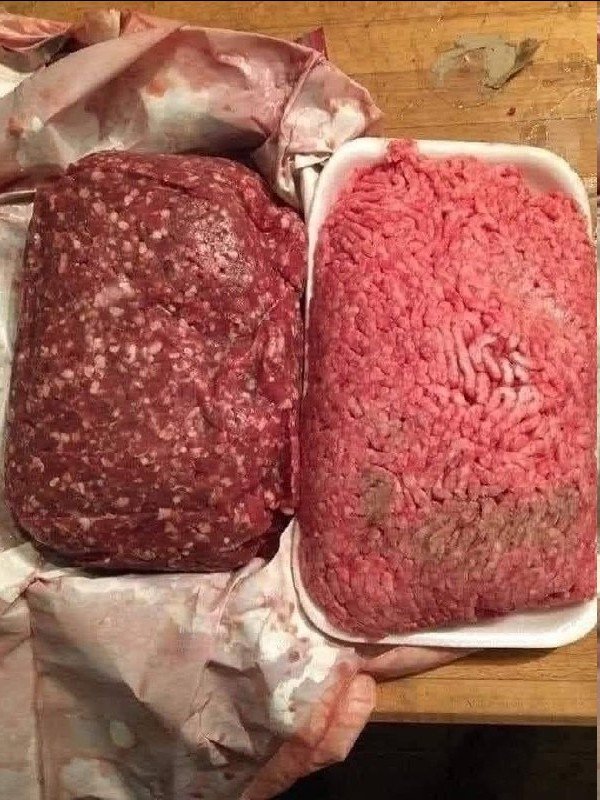
How Diet and Environment Shape the Beef You Eat
The way cattle are raised has a direct influence on the meat they produce. When you hear terms like grass-fed, grain-finished, or pasture-raised, these refer to how the cattle lived and what they ate.
Farm-raised cattle with regular access to pasture tend to move more and experience a more natural lifestyle. This can create meat with a denser texture and a robust flavor profile. Many local farmers take pride in raising cattle with thoughtful routines, balanced diets, and individual attention, which can be reflected in the final product.
By comparison, store-bought beef usually comes from cattle raised in larger systems focused on steady production. Feedlot cattle are provided with controlled diets, often rich in grains, to encourage quick growth and predictable yields. While this results in beef that is very consistent in appearance, it may not offer the same depth of taste or connection to traditional farming methods.
For older adults who remember when most beef came from smaller farms or local butchers, understanding these differences can help recreate some of that familiar flavor and quality.
The Experience of Buying Local Beef
Purchasing farm-raised beef is often more than a transaction. Many people enjoy the experience of talking with farmers, asking questions about the cattle, and seeing firsthand how the animals are cared for. This personal connection offers a sense of trust and transparency that large supermarkets cannot always provide.
Local farmers can explain how their cattle are fed, how they manage their herds, and what makes their beef unique. For many shoppers, especially those who value traditional food practices, this direct relationship is part of what makes farm-raised beef appealing.
Store-bought beef certainly has its conveniences. Supermarkets offer a wide selection, predictable prices, and easy access. For busy households, this reliability is helpful. But the trade-off is that most shoppers do not know exactly where the beef came from or how the cattle were raised.
Price, Value, and What You Get for Your Money
A common question is whether farm-raised beef costs more than supermarket beef. The answer often depends on the specific farm, the cut of meat, and the region. Local beef may carry a slightly higher price because smaller farms invest more time and resources into raising cattle in a thoughtful, hands-on way.
However, many customers feel that the added freshness, richer taste, and greater transparency provide good value for the price. Some also prefer buying in bulk directly from a farm, which can lower the cost per pound and stock the freezer for months at a time.
Supermarkets generally keep prices lower through large-scale production, bulk distribution, and frequent promotions. If convenience and cost are your main priorities, store-bought beef remains a practical option.
Choosing the Beef That Fits Your Lifestyle
There is no single “right” choice between store-bought and farm-raised beef. Both have their strengths, and both can fit into a balanced diet. What matters most is choosing what aligns with your goals for flavor, quality, and peace of mind.
If you enjoy supporting local agriculture, value knowing exactly how your food is raised, or simply prefer beef with a richer and more traditional taste, farm-raised options may be worth exploring. If convenience, consistency, and predictable pricing matter more for your household, store-bought beef remains a dependable choice.
Understanding the difference between these two sources helps you make confident decisions about what you bring into your kitchen and share with the people you care about. Knowing how your beef is raised allows you to prioritize quality, taste, and trust every time you sit down to a meal.