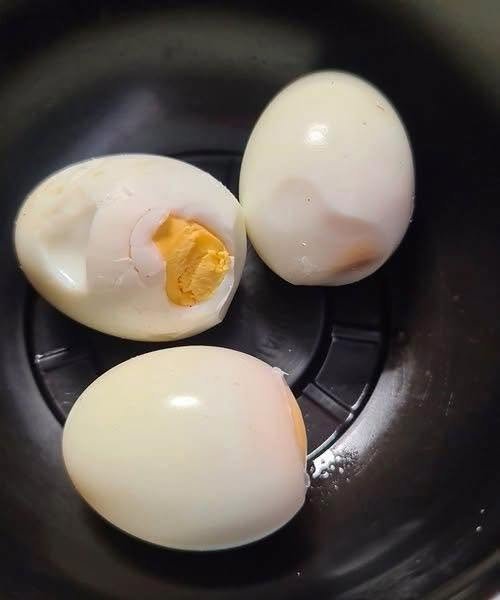
Eggs and Cholesterol: The Nuance
|
Fact
|
Explanation
|
|---|---|
|
Eggs contain dietary cholesterol (~186mg per yolk)
|
But for ~70% of people, dietary cholesterol has minimal impact on blood LDL (“bad”) cholesterol
|
|
Saturated fat matters more
|
Foods high in saturated fat (butter, fatty meats, full-fat dairy) raise LDL more than eggs do
|
|
Individual responses vary
|
A minority of people (“hyper-responders”) may see modest LDL increases from eggs—but often with a rise in HDL too
|
|
Overall diet context is key
|
Eggs eaten with vegetables, whole grains, and healthy fats support better outcomes than eggs with bacon, white toast, and sugary juice
|
🩺 Medical consensus: For people with diabetes, existing heart disease, or familial hypercholesterolemia, individualized guidance from a healthcare provider is recommended. But for the general population, moderate egg consumption is not a heart health concern.
🌅 Why Eggs Make a Great Morning Meal
Beyond the cholesterol debate, eggs offer practical and nutritional advantages for breakfast.
Benefits of Morning Eggs:
|
Benefit
|
Why It Matters
|
|---|---|
|
High-quality protein
|
Supports muscle maintenance, keeps you full longer, stabilizes blood sugar
|
|
Choline
|
Essential for brain health, memory, and liver function; many people don’t get enough
|
|
Lutein & zeaxanthin
|
Antioxidants that support eye health and may reduce age-related vision decline
|
|
Vitamin D
|
Supports immune function, bone health, and mood regulation (especially important in low-sunlight months)
|
|
Versatility
|
Scrambled, boiled, poached, in omelets or frittatas—easy to adapt to tastes and dietary needs
|
|
Affordability
|
One of the most nutrient-dense, budget-friendly protein sources available
|
Pairing Eggs for Balanced Nutrition:
✅ Add vegetables: Spinach, peppers, tomatoes, mushrooms boost fiber and antioxidants
✅ Choose healthy fats: Avocado, olive oil, or nuts support nutrient absorption
✅ Include whole grains: Whole-wheat toast or quinoa adds sustained energy
✅ Limit processed meats: Swap bacon/sausage for turkey, beans, or plant-based proteins
✅ Choose healthy fats: Avocado, olive oil, or nuts support nutrient absorption
✅ Include whole grains: Whole-wheat toast or quinoa adds sustained energy
✅ Limit processed meats: Swap bacon/sausage for turkey, beans, or plant-based proteins
🍳 Pro tip: Poaching, boiling, or scrambling with minimal oil preserves nutrients without adding excess saturated fat.
⚠️ Who Should Be Mindful of Egg Consumption?
While eggs are safe for most people, certain individuals may benefit from personalized guidance.
Consider Discussing with Your Provider If You:
|
Situation
|
Why It Matters
|
Practical Guidance
|
|---|---|---|
|
Familial hypercholesterolemia
|
Genetic condition causing very high LDL; dietary cholesterol may have greater impact
|
Follow medical advice; may limit yolks while enjoying egg whites
|
|
Type 2 diabetes
|
Some studies suggest potential association with high egg intake; evidence is mixed
|
Focus on overall diet quality; moderate intake (≤7 eggs/week) is generally acceptable
|
|
Existing heart disease
|
Individual responses vary; personalized nutrition is key
|
Work with a cardiologist or dietitian to tailor recommendations
|
|
Egg allergy
|
True egg allergy affects ~1-2% of children (many outgrow it); rare in adults
|
Avoid eggs; explore alternative protein sources
|
|
Vegan or plant-based diet
|
Ethical, environmental, or health choices may exclude animal products
|
Enjoy nutrient-rich plant proteins: tofu, tempeh, legumes, seeds
|
🌱 Note: Egg whites provide protein without cholesterol or fat. They’re a great option for those limiting yolks while still enjoying eggs.
🧪 Debunking Common Egg Myths
Let’s clear up the misinformation that fuels viral headlines.
|
Myth
|
Reality
|
|---|---|
|
“Eggs raise cholesterol and cause heart disease”
|
For most people, dietary cholesterol has minimal impact on blood cholesterol. Saturated fat and overall diet pattern matter far more.
|
|
“Egg yolks are unhealthy”
|
Yolks contain most of the egg’s nutrients: choline, vitamins A/D/E/K, lutein, and healthy fats. Discarding them wastes nutrition.
|
|
“Brown eggs are healthier than white”
|
Shell color reflects hen breed, not nutrition. Nutrient content depends on the hen’s diet, not shell color.
|
|
“You must avoid eggs if you have high cholesterol”
|
Many people with high cholesterol can enjoy eggs in moderation. Work with your provider to personalize your plan.
|
|
“Raw eggs are more nutritious”
|
Cooking eggs improves protein absorption and eliminates risk of salmonella. Light cooking preserves most nutrients.
|
🔬 Science note: Nutrition research evolves. Today’s consensus reflects decades of large, well-designed studies—not isolated findings or outdated guidelines.
🥣 How to Enjoy Eggs Safely and Deliciously
Maximize nutrition and minimize risk with these simple practices.
Safe Handling & Cooking:
✅ Refrigerate promptly: Store eggs at or below 40°F (4°C)
✅ Cook thoroughly: Until whites and yolks are firm to reduce salmonella risk (especially important for young children, pregnant people, elderly, or immunocompromised individuals)
✅ Avoid cross-contamination: Use separate cutting boards for eggs and produce; wash hands after handling raw eggs
✅ Check freshness: Place egg in water—if it sinks, it’s fresh; if it floats, discard
✅ Cook thoroughly: Until whites and yolks are firm to reduce salmonella risk (especially important for young children, pregnant people, elderly, or immunocompromised individuals)
✅ Avoid cross-contamination: Use separate cutting boards for eggs and produce; wash hands after handling raw eggs
✅ Check freshness: Place egg in water—if it sinks, it’s fresh; if it floats, discard
Healthy Preparation Ideas:
|
Method
|
Why It Works
|
|---|---|
|
Poached or boiled
|
No added fat; preserves nutrients; easy to meal-prep
|
|
Scrambled with veggies
|
Boosts fiber, vitamins, and antioxidants; adds volume without excess calories
|
|
Omelet with herbs
|
Flavor without excess salt; herbs add antioxidants
|
|
Baked frittata
|
Great for meal prep; customizable with leftovers
|
|
**Egg salad **(lightened up)
|
Use Greek yogurt instead of mayo; add celery, herbs, lemon
|
🌿 Eco-tip: Choose pasture-raised or certified humane eggs when possible. They often have higher levels of omega-3s and vitamins, and support better animal welfare.
❓ Frequently Asked Questions
Q: How many eggs can I eat per day?
A: For most healthy adults, up to one egg per day (or 7 per week) is consistent with heart-healthy eating patterns. Some people may tolerate more—discuss with your provider if you have specific health concerns.
A: For most healthy adults, up to one egg per day (or 7 per week) is consistent with heart-healthy eating patterns. Some people may tolerate more—discuss with your provider if you have specific health concerns.
Q: Are egg substitutes healthier?
A: Liquid egg whites are lower in calories and cholesterol but lack the nutrients in yolks. Plant-based substitutes vary widely—check labels for sodium, additives, and protein content.
A: Liquid egg whites are lower in calories and cholesterol but lack the nutrients in yolks. Plant-based substitutes vary widely—check labels for sodium, additives, and protein content.
Q: Do organic or free-range eggs have more nutrients?
A: Differences are modest. Pasture-raised eggs may have slightly more omega-3s and vitamin D, but all eggs are nutritious. Choose based on your values and budget.
A: Differences are modest. Pasture-raised eggs may have slightly more omega-3s and vitamin D, but all eggs are nutritious. Choose based on your values and budget.
Q: Can eating eggs help with weight management?
A: Yes. High-protein breakfasts like eggs increase satiety, reduce mid-morning cravings, and may support healthier calorie intake throughout the day.
A: Yes. High-protein breakfasts like eggs increase satiety, reduce mid-morning cravings, and may support healthier calorie intake throughout the day.
Q: Is it safe to eat eggs every day?
A: For most people, yes. Focus on overall diet quality: pair eggs with vegetables, whole grains, and healthy fats for balanced nutrition.
A: For most people, yes. Focus on overall diet quality: pair eggs with vegetables, whole grains, and healthy fats for balanced nutrition.
Q: What if I’m pregnant?
A: Eggs are an excellent source of choline, which supports fetal brain development. Cook eggs thoroughly to reduce foodborne illness risk. Discuss personalized nutrition with your OB-GYN.
A: Eggs are an excellent source of choline, which supports fetal brain development. Cook eggs thoroughly to reduce foodborne illness risk. Discuss personalized nutrition with your OB-GYN.
Q: Can eggs cause allergies later in life?
A: Adult-onset egg allergy is rare. If you develop symptoms (hives, digestive issues, swelling) after eating eggs, consult an allergist.
A: Adult-onset egg allergy is rare. If you develop symptoms (hives, digestive issues, swelling) after eating eggs, consult an allergist.
Q: Are raw eggs in smoothies or Caesar dressing safe?
A: Raw eggs carry a small risk of salmonella. Use pasteurized eggs for raw preparations, especially if serving vulnerable individuals.
A: Raw eggs carry a small risk of salmonella. Use pasteurized eggs for raw preparations, especially if serving vulnerable individuals.
Q: How do eggs compare to other breakfast proteins?
A: Eggs are nutrient-dense, affordable, and versatile. Greek yogurt, cottage cheese, tofu, and legumes are also excellent options—variety supports balanced nutrition.
A: Eggs are nutrient-dense, affordable, and versatile. Greek yogurt, cottage cheese, tofu, and legumes are also excellent options—variety supports balanced nutrition.
Q: What’s the best way to store eggs?
A: Keep eggs in their original carton on a refrigerator shelf (not the door, where temperature fluctuates). Use within 3–5 weeks of purchase.
A: Keep eggs in their original carton on a refrigerator shelf (not the door, where temperature fluctuates). Use within 3–5 weeks of purchase.
💙 A Compassionate Closing Thought
If you’re reading this because you’ve been avoiding eggs due to scary headlines—or because you love eggs and want to enjoy them with confidence—please know:
🥚 Food fear is exhausting. You deserve to eat without anxiety. Evidence-based guidance replaces worry with wisdom.
🥚 Nutrition is personal. What works for one person may not suit another. Your body, your health history, and your values matter.
🥚 Progress over perfection. You don’t need to optimize every meal. Consistent, balanced choices matter more than any single food.
🥚 Joy matters too. If eggs bring you comfort, convenience, or culinary creativity, that has value. Health isn’t just about nutrients—it’s about nourishment in every sense.
🥚 Nutrition is personal. What works for one person may not suit another. Your body, your health history, and your values matter.
🥚 Progress over perfection. You don’t need to optimize every meal. Consistent, balanced choices matter more than any single food.
🥚 Joy matters too. If eggs bring you comfort, convenience, or culinary creativity, that has value. Health isn’t just about nutrients—it’s about nourishment in every sense.
Eggs aren’t a miracle food.
They aren’t a danger.
They’re simply one option among many.
They aren’t a danger.
They’re simply one option among many.
And for most people, enjoying an egg in the morning is a small, satisfying choice that fits beautifully into a healthy, joyful life.
So scramble, poach, or boil with confidence.
Pair with veggies, whole grains, or fruit.
And savor the simplicity of a meal that nourishes both body and spirit.
Pair with veggies, whole grains, or fruit.
And savor the simplicity of a meal that nourishes both body and spirit.
Because breakfast shouldn’t be stressful.
It should be a gentle start to your day.
It should be a gentle start to your day.
Do you enjoy eggs for breakfast? What’s your favorite way to prepare them? Share your recipes, questions, or egg stories respectfully in the comments below.