Nutritional Information
Per serving (approximate values for 1/12th of a loaf):
- Calories: 220 kcal
- Protein: 7g
- Carbohydrates: 38g
- Fat: 4g
- Fiber: 2g
- Sodium: 280mg
Ingredients
- 2 ¼ teaspoons (1 standard packet) active dry yeast
- 1 cup warm water (105-115°F / 40-46°C)
- ½ cup warm milk (105-115°F / 40-46°C)
- ¼ cup granulated sugar
- 1 teaspoon salt
- ¼ cup unsalted butter, melted and slightly cooled, plus more for greasing pans
- 4 ½ to 5 cups all-purpose flour, divided, plus more for dusting
Instructions
- Activate the Yeast: In a large mixing bowl (or the bowl of a stand mixer), combine the warm water, warm milk, and granulated sugar. Sprinkle the active dry yeast over the top. Stir gently and let it sit for 5-10 minutes, or until the mixture becomes foamy. This indicates that your yeast is active and ready to work. If it doesn’t foam, your yeast may be old, or the water temperature was incorrect, and you should start over with fresh yeast.
- Combine Wet Ingredients: Once the yeast is foamy, add the melted and slightly cooled butter and the salt to the yeast mixture. Stir well to combine all the wet ingredients evenly.
- Add Flour Gradually: Begin adding the flour, one cup at a time, mixing well after each addition. If using a stand mixer, use the dough hook attachment on low speed. If mixing by hand, use a sturdy wooden spoon. After about 3 cups of flour, the dough will start to come together and become shaggy.
- Knead the Dough: Continue adding flour gradually until the dough pulls away from the sides of the bowl and forms a soft, slightly sticky ball. You may not need all 5 cups of flour; the exact amount can vary based on humidity and flour brand. Turn the dough out onto a lightly floured surface. Knead the dough for 8-10 minutes by hand, or 6-8 minutes with a stand mixer on medium-low speed, until it is smooth, elastic, and no longer sticky. To test if it’s ready, perform the “windowpane test”: pinch off a small piece of dough and gently stretch it. If you can stretch it thin enough to see light through it without tearing, it’s properly kneaded.
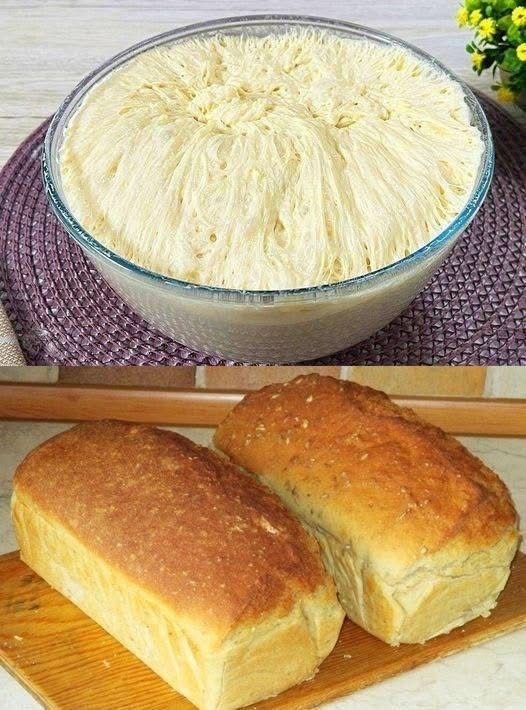
- First Rise (Bulk Fermentation): Lightly grease a large clean bowl with butter or cooking spray. Place the kneaded dough into the greased bowl, turning it once to coat the top. Cover the bowl tightly with plastic wrap or a clean kitchen towel. Place the bowl in a warm, draft-free place (such as a slightly warmed oven that’s turned off, or a sunny spot) and let it rise for 1 to 1 ½ hours, or until it has doubled in size.
- Prepare Loaf Pans: While the dough is rising, grease two standard 9×5-inch loaf pans generously with butter or cooking spray.
- Punch Down and Divide: Once the dough has doubled, gently punch it down to release the air. Turn the dough out onto a lightly floured surface. Divide the dough into two equal pieces.
- Shape the Loaves: For each piece of dough, gently flatten it into a rectangle. Fold the two long sides towards the center, overlapping slightly, then roll the dough tightly from one short end to the other to form a compact loaf. Pinch the seam closed at the bottom. Place each shaped loaf seam-side down into the prepared loaf pans.
- Second Rise (Proofing): Cover the loaf pans loosely with plastic wrap or a clean kitchen towel. Return them to a warm, draft-free place and let them rise for another 45-60 minutes, or until the dough has risen about 1 inch above the rim of the pans and looks puffy. During the last 15 minutes of this rise, preheat your oven to 375°F (190°C).
- Bake the Bread: Place the risen loaves into the preheated oven. Bake for 30-40 minutes, or until the tops are golden brown and the internal temperature reaches 200-210°F (93-99°C) when measured with an instant-read thermometer. If the tops are browning too quickly, you can loosely tent them with aluminum foil.
- Cool: Once baked, immediately remove the loaves from the pans and place them on a wire rack to cool completely. This is crucial to prevent the bottom of the loaves from becoming soggy. Allow the bread to cool for at least 30-60 minutes before slicing for the best texture and flavor.